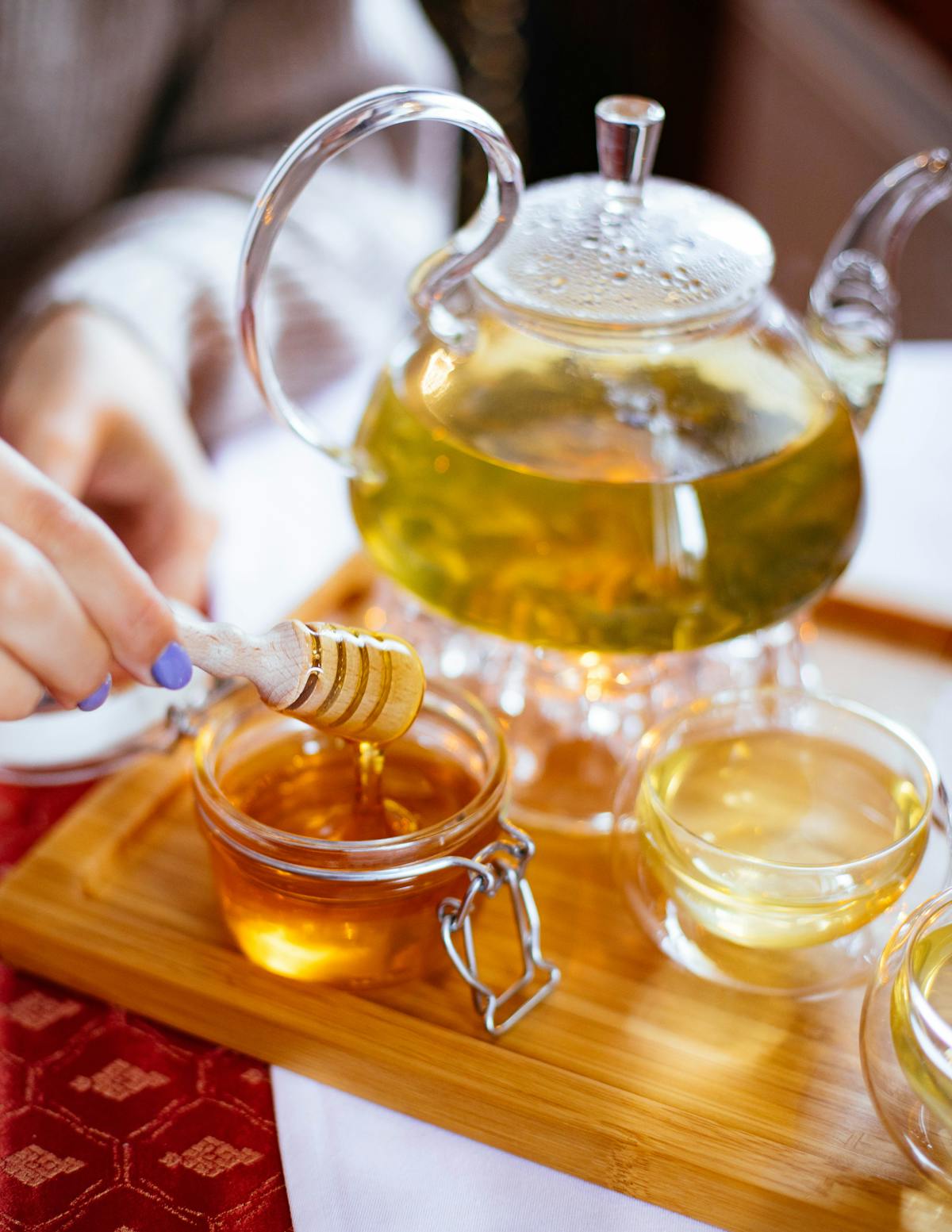
Best Herbal Teas for Sore Throat and Cough: What to Look for and How to Choose
Herbal teas with slippery elm, marshmallow root, chamomile, or honey are the most evidence-supported choices for soothing a sore throat or cough, with options ranging from $3.69 to $7.99 per box.
Herbal teas for sore throat and cough are brewed beverages containing botanicals, such as slippery elm, marshmallow root, licorice root, chamomile, or honey, that have documented demulcent, anti-inflammatory, or soothing properties, distinguishing them from true teas made from the Camellia sinensis plant. Mayo Clinic identifies slippery elm, licorice root, and marshmallow root among the herbal and alternative products most commonly used for sore throat relief, while warm liquids in general, including caffeine-free teas and warm water with honey, serve as first-line self-care for throat discomfort.
Before diving into the ingredient science, here is a side-by-side look at the four products this guide covers:
| Feature | Traditional Medicinals Throat Coat | Celestial Seasonings Chamomile | Bigelow Chamomile Vanilla and Honey | Qisane Peppermint & Loquat |
|---|---|---|---|---|
| Best for | Raw or scratchy throat | Budget-friendly evening tea | Naturally sweetened bedtime cup | Scratchy throat, cough, and voice support |
| Key ingredients | Slippery elm, marshmallow root, licorice root | Chamomile (caffeine-free) | Chamomile, vanilla, honey notes (caffeine-free) | Peppermint, loquat leaf, ginger, balloon flower root, licorice root |
| Caffeine | Caffeine-free | Caffeine-free | Caffeine-free | Caffeine-free |
| Approximate retail price | ~$7.99 | ~$3.69 to $5.92 | Not disclosed | ~$22.99 |
| Primary use case | Throat coating and soothing | Calming, floral nighttime use | Sweetened, calming bedtime cup | Throat and respiratory comfort |
| Flavor profile | Earthy, slightly sweet, anise-like | Light, floral | Floral with vanilla and honey notes | Cool peppermint with warm ginger and licorice |
| Formulation focus | Targeted throat relief | General calming support | Flavor-forward calming blend | Traditional throat and cough botanicals |
What ingredients actually work for a sore throat or cough?
Understanding which botanicals have the strongest rationale for throat and cough relief helps narrow your choice before you even look at a label.
Slippery elm (Ulmus rubra) is a North American tree whose inner bark contains mucilage, a gel-like substance that coats and soothes mucous membranes. When brewed into a tea or steeped as part of a blend, that mucilage forms a protective layer along the throat, which is why Mayo Clinic specifically names it as an herbal product used for sore throat. The evidence base is largely traditional and mechanistic rather than from large randomized trials, so expectations should be calibrated accordingly.
Marshmallow root (Althaea officinalis) works through a similar mechanism. Like slippery elm, it is rich in mucilage and appears in Mayo Clinic's list of commonly used herbal alternatives for sore throat alongside slippery elm and licorice root. Cold-water infusions tend to extract more mucilage than hot water, though hot brews still deliver meaningful amounts.
Licorice root (Glycyrrhiza glabra) contributes both a mild sweetness and potential anti-inflammatory properties. It appears alongside slippery elm and marshmallow root in several commercially formulated throat teas. People with high blood pressure, those who are pregnant, or those on certain medications should use licorice root products with caution and consult a healthcare provider first.
Chamomile (Matricaria chamomilla) is one of the most widely consumed herbal ingredients in the world. The National Center for Complementary and Integrative Health (NCCIH) notes that chamomile is promoted for respiratory conditions including cough and bronchitis, as well as for anxiety and insomnia, two common companions of illness. Preliminary studies suggest it may help with generalized anxiety disorder, and it is likely safe when consumed in amounts typically found in teas. That said, NCCIH is clear that studies have not produced sufficient reliable evidence to rate chamomile's clinical usefulness for most specific conditions. People with allergies to ragweed, chrysanthemums, marigolds, or daisies face a higher risk of chamomile reactions.
Honey is a sweet fluid produced by honeybees from floral nectar, containing antimicrobial compounds alongside sugars. Mayo Clinic research on honey indicates it may help lessen cough in children age 1 and older, though evidence that it outperforms other cough medicines in adults remains limited. Its role in a warm tea, coating the throat and adding mild sweetness, is well-established in self-care guidance. Critically, honey must never be given to infants under 12 months due to the risk of infant botulism.
Ginger (Zingiber officinale) is another common addition to throat and wellness teas. The NCCIH notes that ginger has been used in folk medicine since ancient times for conditions including flu and respiratory discomfort. Research is strongest for nausea and vomiting, particularly in pregnancy, but ginger's warming, anti-inflammatory profile makes it a popular supporting ingredient in throat blends.
Herbal products, unlike prescription drugs, are not approved by the FDA before sale. The rules for manufacturing and distributing dietary supplements are less strict than those for pharmaceutical drugs, as NCCIH explains. That means ingredient quality and concentration can vary between brands, and label claims should be read critically.
How does Traditional Medicinals Throat Coat compare to other options?
Traditional Medicinals Throat Coat is the most specifically formulated product in this comparison for acute throat discomfort. It contains slippery elm, marshmallow root, and licorice root, the three botanicals that Mayo Clinic names as the most commonly used herbal alternatives for sore throat. The combination is designed to deliver a coating, demulcent effect on irritated throat tissue, which is why it earns its niche as the best overall pick for a raw or scratchy throat.
At around $7.99 per box, it sits at the higher end of the herbal tea price range compared to the chamomile options in this guide. The flavor is earthy and slightly anise-like from the licorice root, not universally loved, but distinctive. For someone dealing with a genuinely sore or inflamed throat, the targeted ingredient profile makes the price premium reasonable.
One important caveat: a sore throat caused by a bacterial infection (such as strep throat) requires antibiotics and medical evaluation, not herbal tea alone. Mayo Clinic is explicit that a sore throat caused by a virus typically resolves on its own in 5 to 7 days, and herbal teas function as comfort measures rather than treatments. If symptoms are severe, persist beyond a week, or are accompanied by high fever, a healthcare provider should be consulted.
Is chamomile tea actually useful for throat and cough symptoms?
Chamomile's reputation for soothing throat and respiratory discomfort is long-standing. The NCCIH fact sheet on chamomile confirms it has been promoted since ancient times for respiratory disorders including cough and bronchitis, and that it was used medicinally in ancient China, Egypt, Greece, and Rome.
The honest picture from modern research is more nuanced. Studies on chamomile for specific conditions have not produced sufficient reliable evidence to rate its clinical usefulness with confidence. What the evidence does support is that chamomile is likely safe when consumed in amounts typically found in teas, and that preliminary studies suggest benefit for anxiety, which matters when illness-related stress is disrupting sleep.
Celestial Seasonings Chamomile leans into chamomile's calming, floral profile without additional botanicals. It is caffeine-free and retails at roughly $3.69 to $5.92 per box, making it the most accessible option in this comparison for someone who wants a gentle, nightly ritual during illness recovery. The light flavor suits people who find the earthier throat-coat blends too strong.
Bigelow Chamomile Vanilla and Honey takes a flavor-forward approach, pairing chamomile with vanilla and honey notes in a caffeine-free format. Retail pricing is not disclosed, but Bigelow products are widely available and generally competitive with Celestial Seasonings. The honey notes add a perception of warmth and sweetness that complements the soothing ritual of a bedtime cup, though the actual honey content and its antimicrobial contribution to the brew would depend on the specific formulation details, which are not disclosed in available product information. For someone who finds plain chamomile too austere, the Bigelow blend offers a more indulgent evening option.
Both chamomile options work best as part of a broader self-care routine, warm fluids, rest, and humidity, rather than as standalone remedies.
Where does Qisane Peppermint and Loquat fit in this comparison?
Qisane's Peppermint and Loquat is a caffeine-free tisane that, unlike a general wellness blend, is built specifically around throat and cough comfort. It combines organic peppermint leaf, loquat leaf, organic ginger, balloon flower root, and organic licorice root, and it retails at about $22.99. Two of those botanicals overlap directly with the evidence discussed above: licorice root, which Mayo Clinic names among the herbal products used for sore throat, and ginger, which NCCIH notes has a long folk-medicine history for respiratory discomfort. Loquat leaf and balloon flower root are traditional Chinese-medicine ingredients for cough and scratchy throat, though, as with the other botanicals here, that support is largely traditional rather than confirmed by large clinical trials.
The blend is positioned for the early signs of a scratchy throat or cough, for speakers and singers, and as a nighttime cup when a cough disrupts sleep. Menthol from peppermint gives a cooling, clear sensation, while ginger and licorice add a warm, slightly sweet depth. It is designed to be steeped for 6 to 7 minutes and re-steeped 2 to 3 times, so a single sachet stretches across a day of sipping.
One caution carries over from the Throat Coat discussion: because Peppermint and Loquat contains licorice root, people with high blood pressure, heart or kidney conditions, or who are pregnant should use it sparingly and check with a healthcare provider first. For a caffeine-free option that leans into throat and respiratory comfort rather than pure bedtime calm, it is a targeted alternative to the chamomile blends here.
What self-care routine works best alongside herbal tea for a sore throat?
Herbal tea is one component of a broader self-care approach. Mayo Clinic recommends the following for sore throat management:
- Rest, including resting the voice, not just the body.
- Increased fluid intake, warm liquids like broth, caffeine-free tea, or warm water with honey keep the throat moist. Caffeine and alcohol should be avoided as they can be drying.
- Saltwater gargling, a quarter to half a teaspoon of table salt dissolved in 4 to 8 ounces of warm water can soothe throat discomfort. Suitable for children older than 6 and adults.
- Humidification, a clean humidifier adds moisture to dry air that can aggravate throat irritation.
- Avoiding irritants, cigarette smoke and harsh cleaning product fumes can worsen symptoms.
Warm herbal tea fits naturally into the "warm liquids" recommendation. Adding a teaspoon of honey to any of the teas in this guide (except for infants under 12 months) aligns with the Mayo Clinic guidance on honey for cough and adds the antimicrobial properties that honey is known to carry.
For cough specifically, Mayo Clinic research on honey indicates it may help reduce cough frequency in children age 1 and older. The evidence for adults is thinner, honey has not been shown to outperform other cough medicines in adult populations, but it remains a safe, palatable addition to a warm tea.
Are herbal teas safe for everyone with a sore throat or cough?
Safety considerations vary by ingredient and by the person drinking the tea.
Chamomile is likely safe for most adults and children in amounts found in teas, but people allergic to ragweed, chrysanthemums, marigolds, or daisies face a higher risk of allergic reaction, including rare but serious hypersensitivity responses. NCCIH also notes that chamomile may interact with blood thinners like warfarin and with drugs metabolized by the liver, so anyone on regular medication should check with a healthcare provider before using chamomile regularly.
Licorice root, found in Traditional Medicinals Throat Coat, carries specific cautions for people with high blood pressure, heart or kidney conditions, and those who are pregnant. Frequent or high-dose consumption can raise blood pressure and cause electrolyte imbalances.
Honey must not be given to infants under 12 months due to the risk of infant botulism, as Mayo Clinic clearly states. For everyone else, it is generally safe in the amounts typically added to a cup of tea.
Ginger, if present in a blend, is generally well-tolerated but can cause heartburn, abdominal discomfort, or mouth and throat irritation in some people, according to NCCIH.
The NCCIH's broader guidance on herbal products is worth keeping in mind: herbal teas are made from plants other than Camellia sinensis, and while many are safe in typical amounts, they can interact with medications and are not subject to the same pre-market approval standards as pharmaceutical drugs. Pregnant or breastfeeding individuals, and those managing chronic health conditions, should consult a healthcare provider before adding new herbal teas to their routine.
How do you choose the right herbal tea for your specific situation?
The right choice depends on what you are trying to address and when you plan to drink it.
For a genuinely sore, raw, or scratchy throat, the kind that makes swallowing uncomfortable, the ingredient logic points toward a demulcent blend. Traditional Medicinals Throat Coat's combination of slippery elm, marshmallow root, and licorice root is the most directly formulated for that purpose among the products in this guide, and its $7.99 price reflects that targeted formulation.
For a calming evening cup during illness recovery, especially if sleep disruption or mild anxiety is part of the picture, chamomile-based teas are a reasonable choice. Celestial Seasonings Chamomile keeps the cost low and the flavor gentle; Bigelow Chamomile Vanilla and Honey adds a warmer, sweeter profile for those who want something more comforting at bedtime. Both are caffeine-free, which matters when you are trying to rest.
For a caffeine-free cup that targets throat and cough comfort with traditional botanicals, Qisane Peppermint and Loquat is a fitting choice. Its blend of peppermint, loquat leaf, ginger, balloon flower root, and licorice root sits closest to Throat Coat in intent, while remaining an easy daily option for anyone whose voice or throat needs regular support.
If you are interested in exploring other functional herbal blends, the best herbal immune support teas guide and the best caffeine-free herbal teas for digestion cover adjacent territory worth reading alongside this one.
One practical note: warm liquids of almost any kind, including plain warm water with honey, provide meaningful comfort for a sore throat by keeping mucous membranes moist and reducing the friction of swallowing. The specific herbal ingredients layer additional potential benefits on top of that baseline. So even if the clinical evidence for any single botanical is limited, the act of brewing and drinking a warm, caffeine-free herbal tea is itself a sound self-care choice during illness.
What should you look for on a herbal tea label?
A few label elements are worth checking before you buy:
Ingredient transparency. Products that list specific botanical names (genus and species, such as Ulmus rubra for slippery elm) give you more confidence about what you are getting than vague "herbal blend" language. Traditional Medicinals is known for this level of specificity.
Caffeine status. All four products in this guide are caffeine-free or likely caffeine-free, which matters for nighttime use and for avoiding the drying effect that caffeine can have on mucous membranes. Mayo Clinic specifically recommends avoiding caffeine when managing a sore throat.
Allergen information. Chamomile-containing products should carry a note about cross-reactivity with ragweed and related plants. If you have known plant allergies, this is worth checking.
Third-party certifications. Some herbal tea brands pursue certifications for organic sourcing, non-GMO ingredients, or quality testing. These are not required by law but can signal a higher standard of ingredient sourcing. Specific certifications for each product in this guide are not disclosed in available product information.
Honey content. If a tea is labeled with "honey" as a flavor note (as in Bigelow Chamomile Vanilla and Honey), confirm whether that refers to actual honey or natural honey flavoring, the antimicrobial and cough-soothing properties of honey are associated with the real ingredient, not a flavoring agent.
Herbal tea is defined in regulatory terms as a beverage made from plants other than Camellia sinensis, and as NCCIH notes, these products are typically marketed as dietary supplements when sold for health purposes, subject to less stringent pre-market review than pharmaceutical drugs. Reading labels critically and cross-referencing ingredients against neutral sources like NCCIH's fact sheets is a practical habit for any wellness-focused buyer.
Final thoughts on choosing a sore throat or cough tea
No herbal tea replaces medical care for a bacterial throat infection, and the evidence base for most individual botanicals, while promising in some areas, remains incomplete. What herbal teas do offer is a safe, comforting, and evidence-informed complement to rest, hydration, and standard self-care during the 5 to 7 days that a typical viral sore throat takes to resolve on its own.
Traditional Medicinals Throat Coat earns its place as the most targeted option for acute throat discomfort, built around the three botanicals most specifically associated with throat soothing. Celestial Seasonings Chamomile and Bigelow Chamomile Vanilla and Honey serve the evening-calm and bedtime-comfort niches at accessible price points. Qisane Peppermint and Loquat takes a more throat-focused angle, pairing loquat leaf, licorice root, ginger, and peppermint in a caffeine-free cup aimed at scratchy throats, coughs, and voice support.
For more on building a broader herbal tea wellness routine, the best caffeine-free Asian herbal teas for sleep guide covers nighttime blends in greater depth.
Last verified: 2026-08-21