 News
·12 min read
Can Coffee Actually Improve Parkinson's Symptoms — and Do the Benefits Last?
Caffeine improves Parkinson's symptoms within three weeks in short-term trials, but a six-month randomized trial found no lasting benefit over placebo.
The newsroom
Come here and catch up everything that's news in the breweries world
 Featured · News
Papua New Guinea coffee is a highland Arabica — bright, earthy, and chocolatey — grown by smallholders at altitude, with quality and export demand rising sharply through 2025–2026.
NewsCaffeine improves Parkinson's symptoms within three weeks in short-term trials, but a six-month randomized trial found no lasting benefit over placebo.
 News
Functional coffee blends standard coffee with protein, mushrooms, adaptogens, or nootropics for added health benefits. The market is worth ~$5 billion and growing at 11%+ annually, though evidence for individual ingredients varies widely.
 News
Solar-powered roasting uses sunlight-derived heat — stored or concentrated — to replace natural gas in coffee drums, cutting emissions and, in Sandia's 2026 tests, shaving minutes off dark-roast cycles.
 News
Coffee prices rallied 15.4% in July 2026 to 287.26 US cents/lb as El Niño fears, a delayed Brazilian harvest, and critically low Arabica inventories combined to squeeze supply.
NewsCoffee prices jumped 15.4% in July 2026 driven by Brazil's delayed harvest, record-low Arabica inventories, and a near-certain strong El Niño — with relief unlikely for at least two years.
 News
The best coffee gadgets of 2026 solve real brewing problems: precision scales, portable espresso machines, dual-rim tasting cups, and hand grinders with competition pedigree top the list.
 News
Beverages above 65°C (149°F) triple esophageal cancer risk per a 977,000-person Oxford study; the safe zone is 120–150°F (49–65°C).
 News
A 2026 Chinese study found anaerobic natural processing outscored conventional wet and dry methods across six sensory attributes, driven by measurable shifts in 843 flavor-related compounds in green Yunnan Arabica.
A new physics study shows that higher espresso pressure can worsen channeling and slow extraction, challenging the assumption that more pressure always means faster, better espresso.
A new study links ground coffee consumption to slower biological aging compared to instant coffee, suggesting preparation method matters beyond just caffeine.
A Super El Niño forecast for late 2026 threatens coffee yields across major growing regions, historically driving Arabica prices up 20–40%. Buyers should hedge contracts and diversify origins now.
Deforestation-free coffee is verified via satellite monitoring and farm traceability. Ecuador's Amazon model, running since 2019 with ~400 producers, exported certified lots in 2025 and sets a new standard for supply-chain accountability.
 News
A 2026 study of 400,000+ people found coffee's Parkinson's risk effect flips depending on your CYP1A2 gene variant — protective for fast metabolizers at ~3 cups/day, harmful for slow metabolizers.
 News
Drinking more than five cups of coffee daily was linked to lower bone density in a 10-year study of ~10,000 older women; moderate coffee was safe, and tea was associated with slightly higher hip BMD.
 News
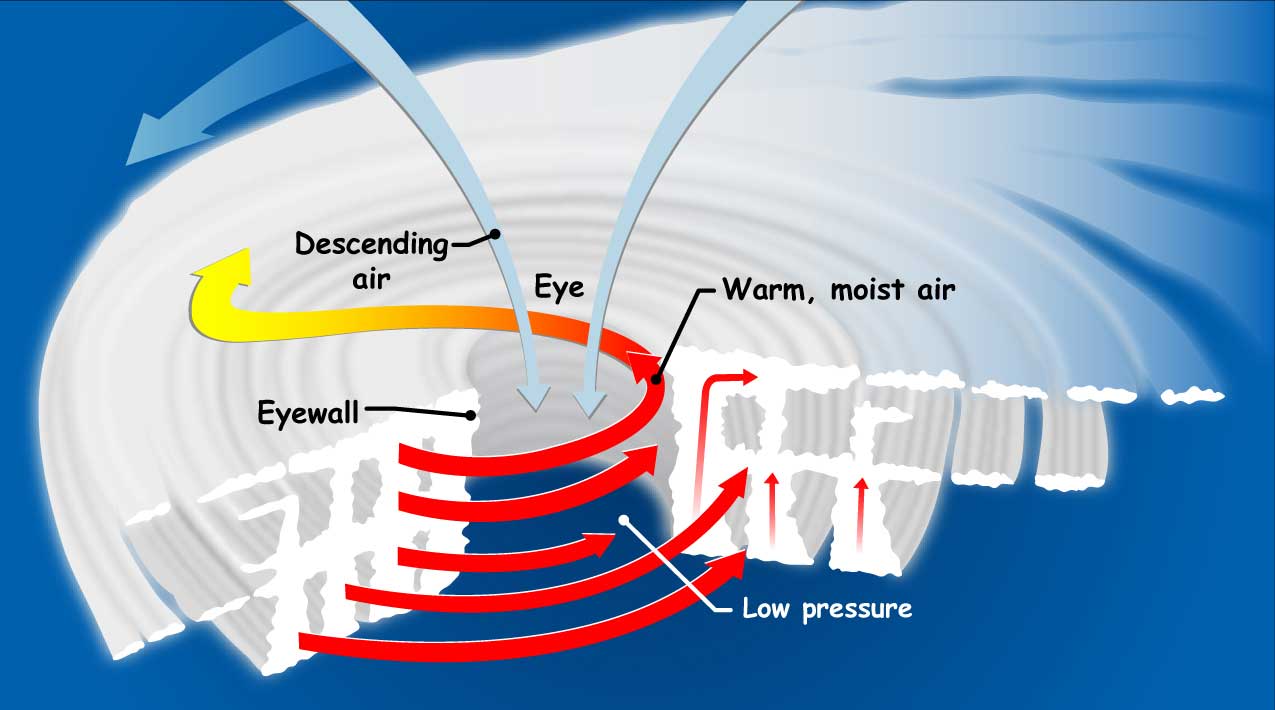
Hurricane Lala caused $3.2M+ in Hawaii farm losses and wiped out thousands of Ka'u coffee trees at harvest time, threatening supply for multiple seasons.
 News
Hurricane Lala hit Hawaii Island on August 15, 2026, destroying thousands of coffee trees, stripping ripe cherries, and cutting off Ka'u farms with $3.2 million in reported losses — with recovery expected to take years.
 News
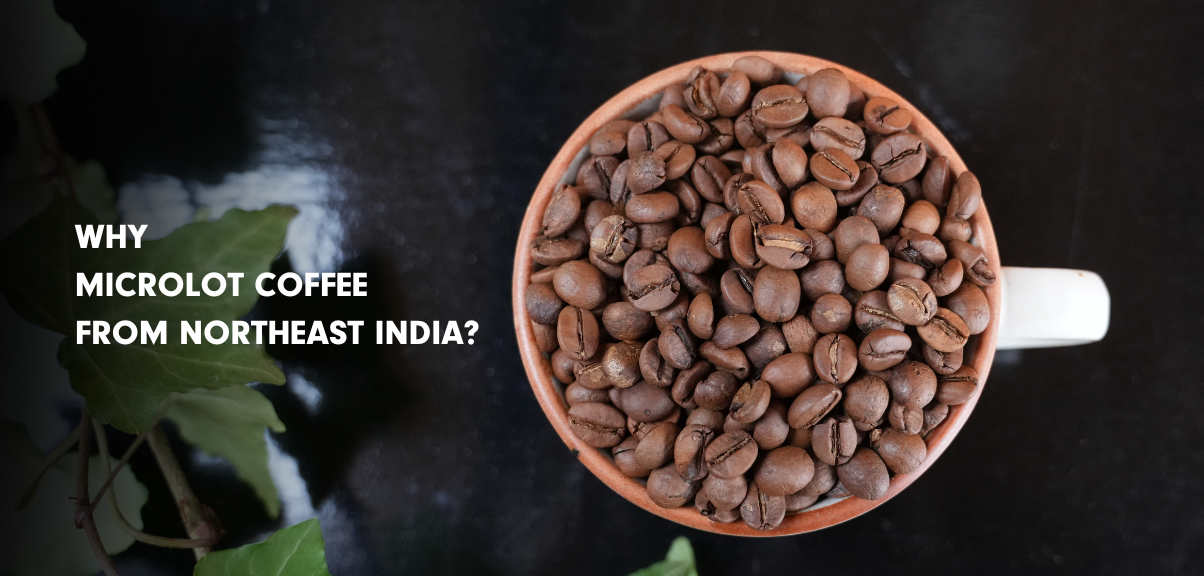
Congo microlot coffee is a traceable, high-scoring specialty lot from eastern DRC cooperatives; the 2026 Best of Congo auction offers 32 lots from US$13/kg, including the country's first anaerobic coffee.
 News
A 2026 University of Florida field study found four arabica cultivars can survive and yield fruit in South Florida, averaging 3+ kg fresh cherry per plant, though significant climate and soil hurdles remain before commercial viability.
 News
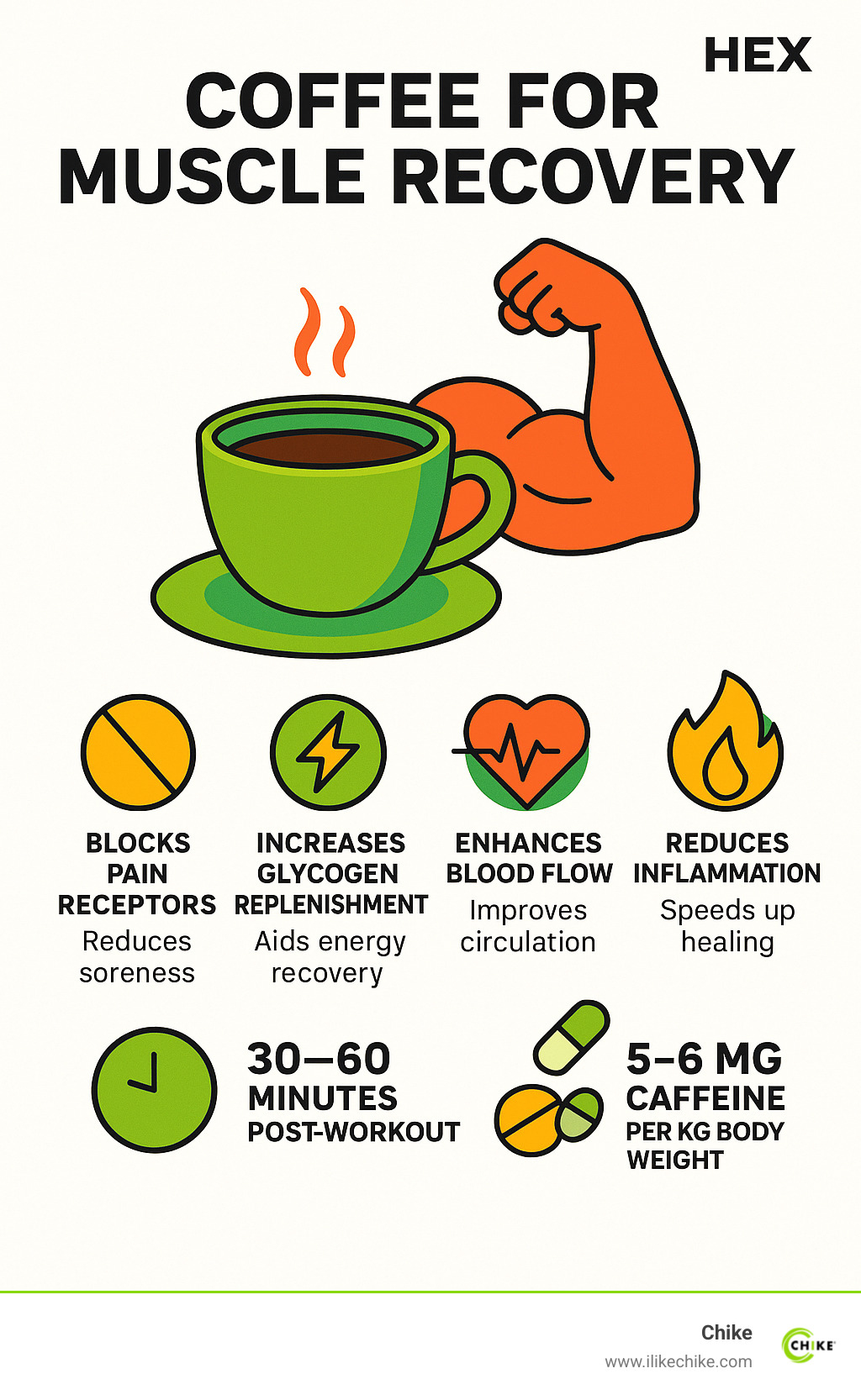
A 2026 NUS mouse study found caffeine reversed social memory deficits caused by five hours of sleep loss by restoring synaptic function in the hippocampal CA2 region.
 News
Drinking 3–5+ cups of coffee daily is linked to up to 47% lower liver cancer risk and 32% lower cirrhosis risk, per a 13-year, 354,957-person Cedars-Sinai study published in 2026.
 News
A Finnish study of 2,264 adults found heavy coffee drinkers had less body fat, more muscle, and healthier metabolic markers than light drinkers — but the association doesn't prove coffee causes these differences.
 News
Excelsa is a rare coffee species (under 1% of world production) with a tart, fruity, and complex flavor profile — best brewed as a pour-over or AeroPress.
 News
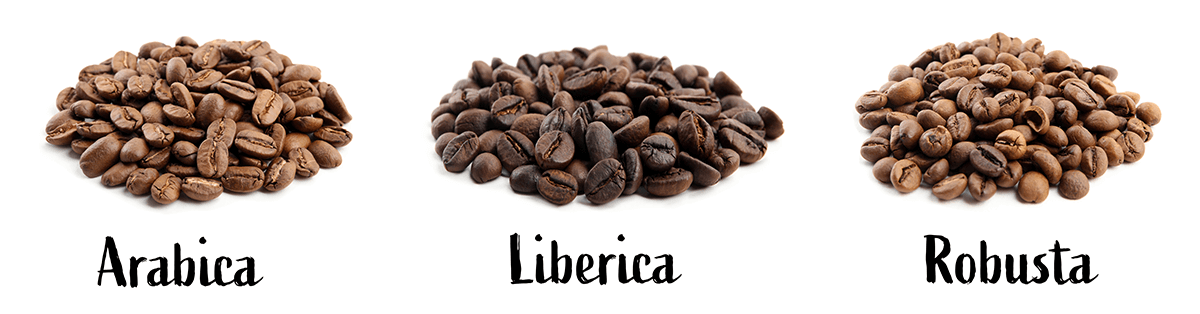
Liberica is a rare, climate-resilient coffee species whose flavor is being dramatically upgraded by anaerobic fermentation, honey processing, and better farm management — moving it from commodity obscurity toward specialty status.
AeroPress uses manual air pressure to push steeped coffee through a filter in 1–2 minutes. Grind size, water temperature, steep time, and brew orientation are the four variables that define cup quality.
Upgrade your grinder first — it has the biggest impact on cup quality. Then improve your brewer, water, and finally espresso equipment in that order.
A large Swedish study found habitual coffee drinking had little meaningful effect on sleep quality in middle-aged adults, contradicting the common belief that coffee routinely wrecks sleep.
Anaerobic coffee ferments in sealed, oxygen-free tanks; co-fermentation adds fruits or botanicals to the tank. Both methods intensify flavour complexity but demand tight process control at every stage.
The global matcha boom is reshaping Japan's tea sector, stretching supply and blurring quality grades. Here is what every buyer needs to know before spending.
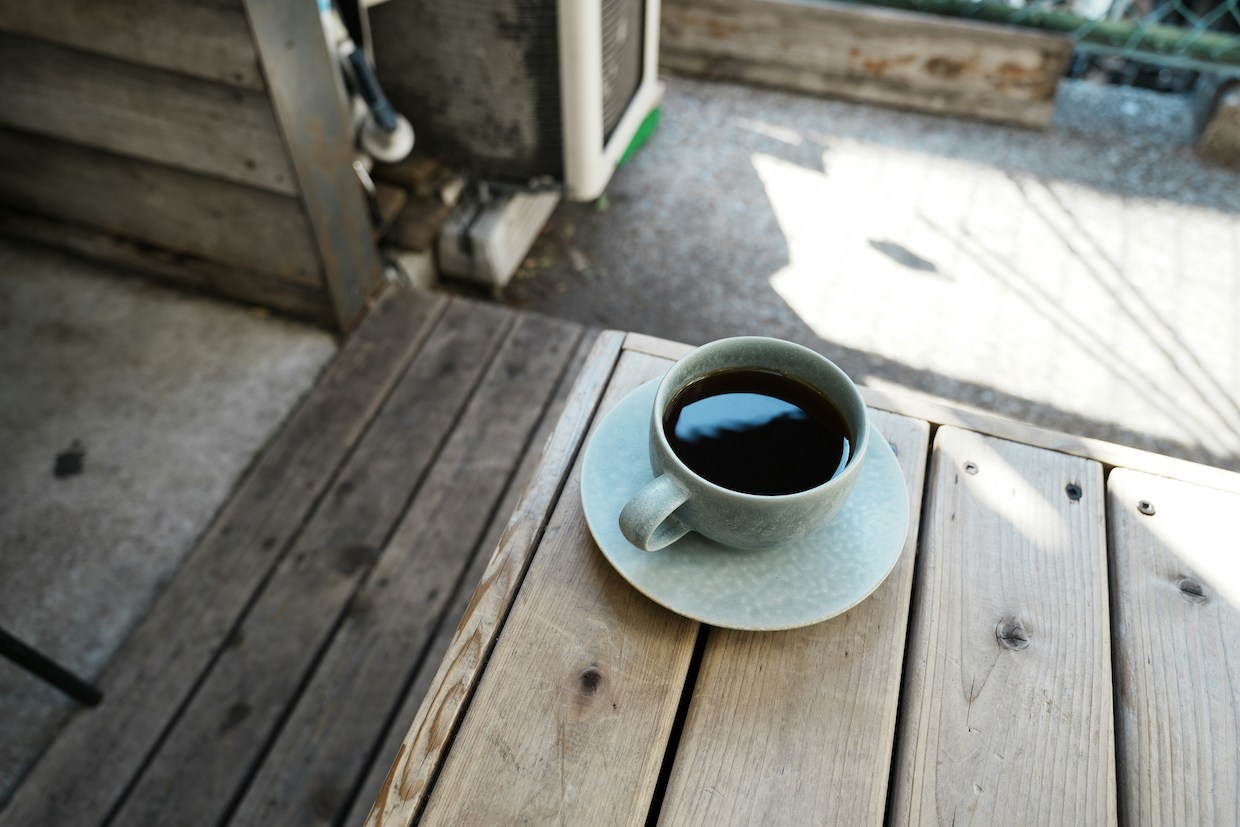
A 2026 Italian study found daily espresso or moka pot drinkers had lower rates of MASLD (fatty liver disease), suggesting pressure-brewed coffee offers measurable liver-protective benefits.
 News
Roasting creates melanoidins that bind caffeine and cut its perceived bitterness by about half, explaining why brewed coffee tastes far less bitter than pure caffeine.
 News
The AHA's 2026 review found up to 400 mg of caffeine daily (3–5 cups of black coffee) is safe and may lower cardiovascular risk, but energy drinks pose real heart dangers.
 News
A 200+ study meta-analysis found the afternoon caffeine crash is mostly a myth — regular drinkers show blunted cortisol responses, and the real culprits are adenosine rebound and blood sugar swings.
 News
A 2026 Nature Communications study of 62 adults found both caffeinated and decaffeinated coffee shift gut microbes and lower stress and depression scores, with caffeine uniquely improving attention and decaf boosting memory.
 News
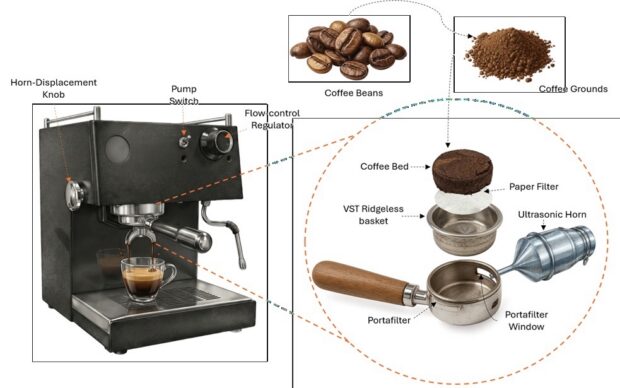
UNSW Sydney researchers showed ultrasonic brewing matches espresso quality at room temperature in under 3 minutes while cutting energy use by ~75%, confirmed by blind taste tests with 100 consumers.
 News
Caffeine modulation — mixing full-caf and decaf coffee in descending ratios across the day — lets most adults enjoy multiple cups without jitters or sleep disruption, keeping intake under the FDA's 400 mg daily guideline.